
Improve Your Shop Floor
Turn shop floor challenges into opportunities for improvement.
Reduce manual processes, improve production visibility, increase efficiency, and connect your people, machines, and systems. ISE helps manufacturers identify what’s slowing production down and where technology can make the biggest impact.


Serialization & Traceability
Machine Integration

AI Connection

ERP + MES Integration

Efficiency Assessment
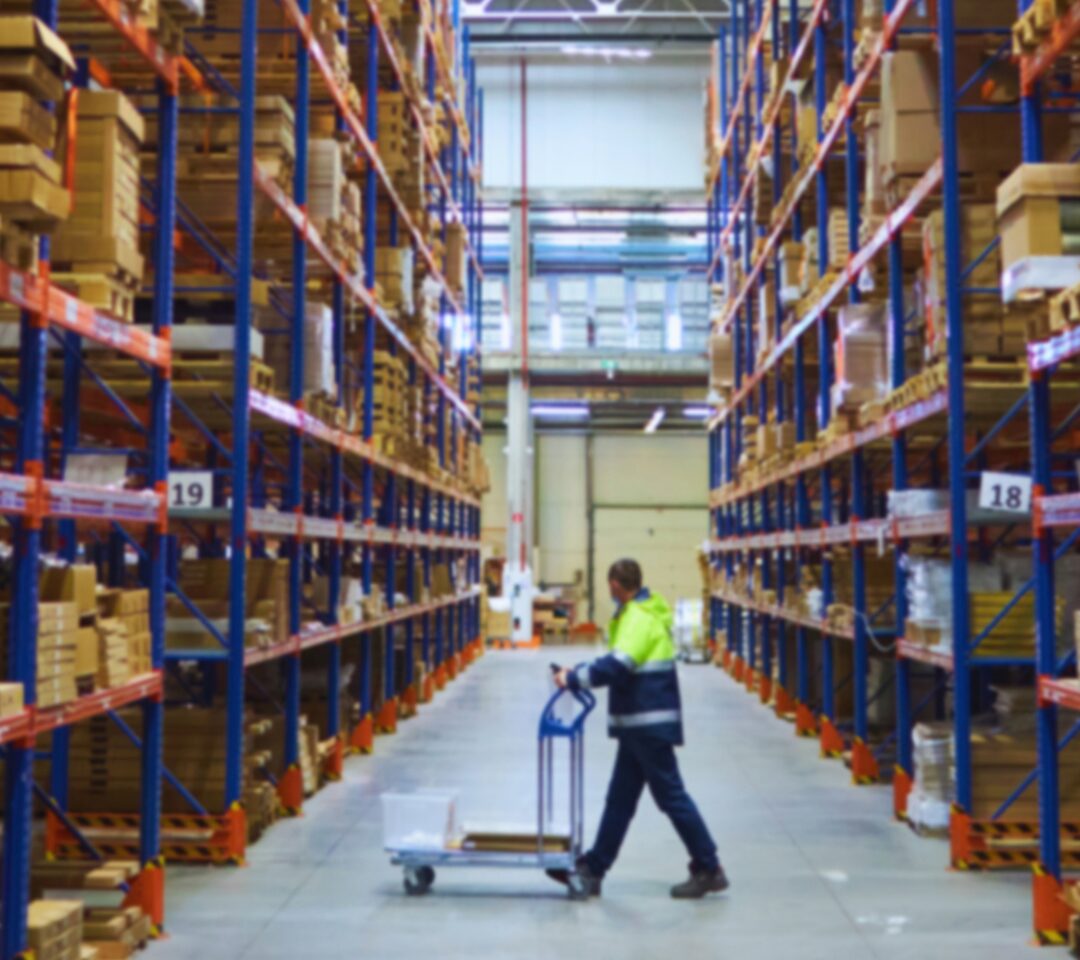
Can You Trace Every Product When It Matters?
Make it easier to capture and access serial, lot, quality, and production history.
When product information lives across paper, spreadsheets, and disconnected systems, tracing what happened can take too much time.
Capture serial numbers, lot information, quality data, materials, and production history as work happens. Give your team faster access to the information they need for quality, compliance, customer questions, and continuous improvement.
Explore Serialization & Traceability
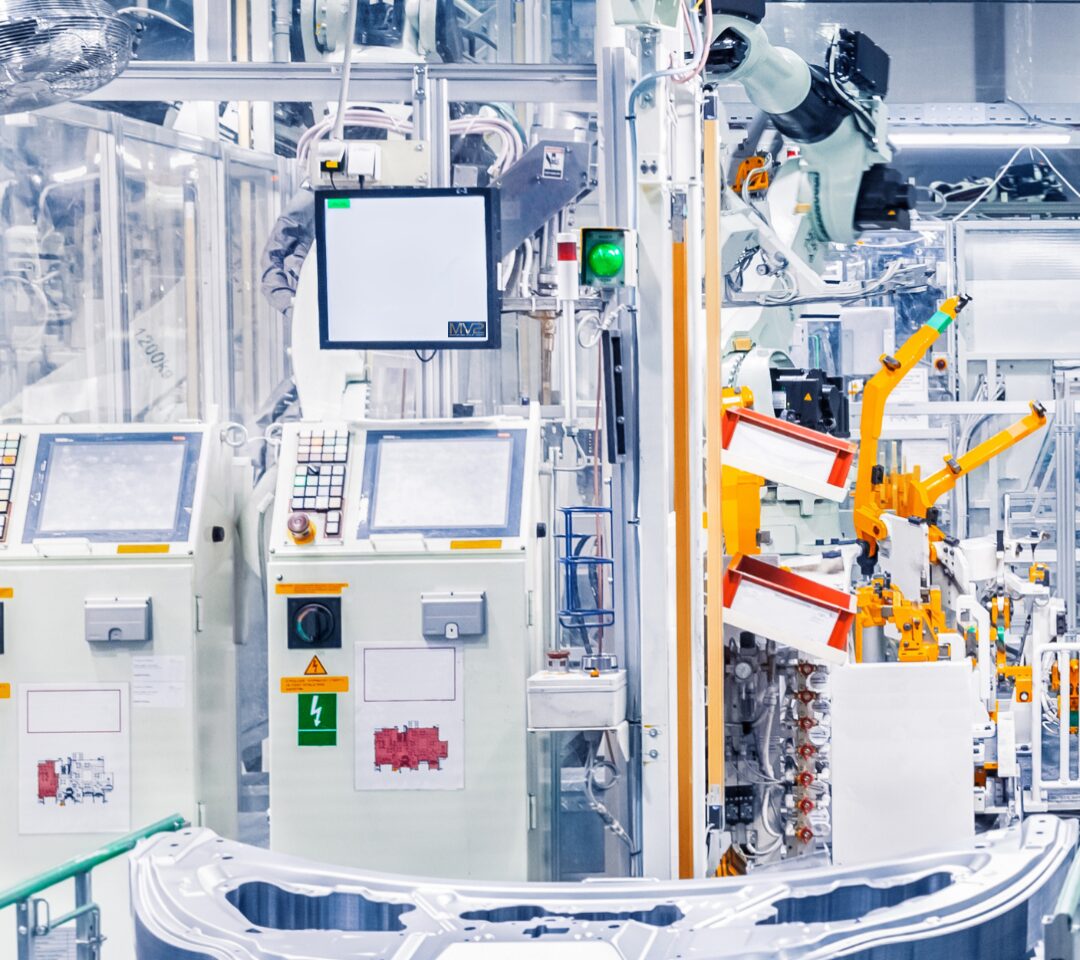
Are Your Machines Giving You the Full Picture?
Turn machine activity into production data your team can actually use.
Your machines generate valuable production data, but that information has limited value if it stays at the machine.
Connect machine activity with jobs, operators, and production data to improve visibility into downtime, performance, and what is actually happening on the shop floor.

Is Your Shop Floor Data Ready to Work Harder for You?
Connect manufacturing data with AI tools to make information easier to access and use.
Your shop floor creates valuable data every day. The challenge is making that information easier for people to access, understand, and use.
Connect trusted manufacturing data with AI tools to help your team find answers faster, uncover insights, and make better use of the information already being captured across production.
Explore the AI Connector
Is There a Gap Between Your ERP and Shop Floor?
Keep production activity and ERP information connected as work happens.
You may already know where your shop floor struggles. The harder question is understanding what those problems are actually costing your business.
The Manufacturing Efficiency Assessment helps put numbers behind manual processes, lost labor hours, non-value-added work, and unused capacity—so you can identify where improvement could have the greatest impact.
Explore ERP Integration
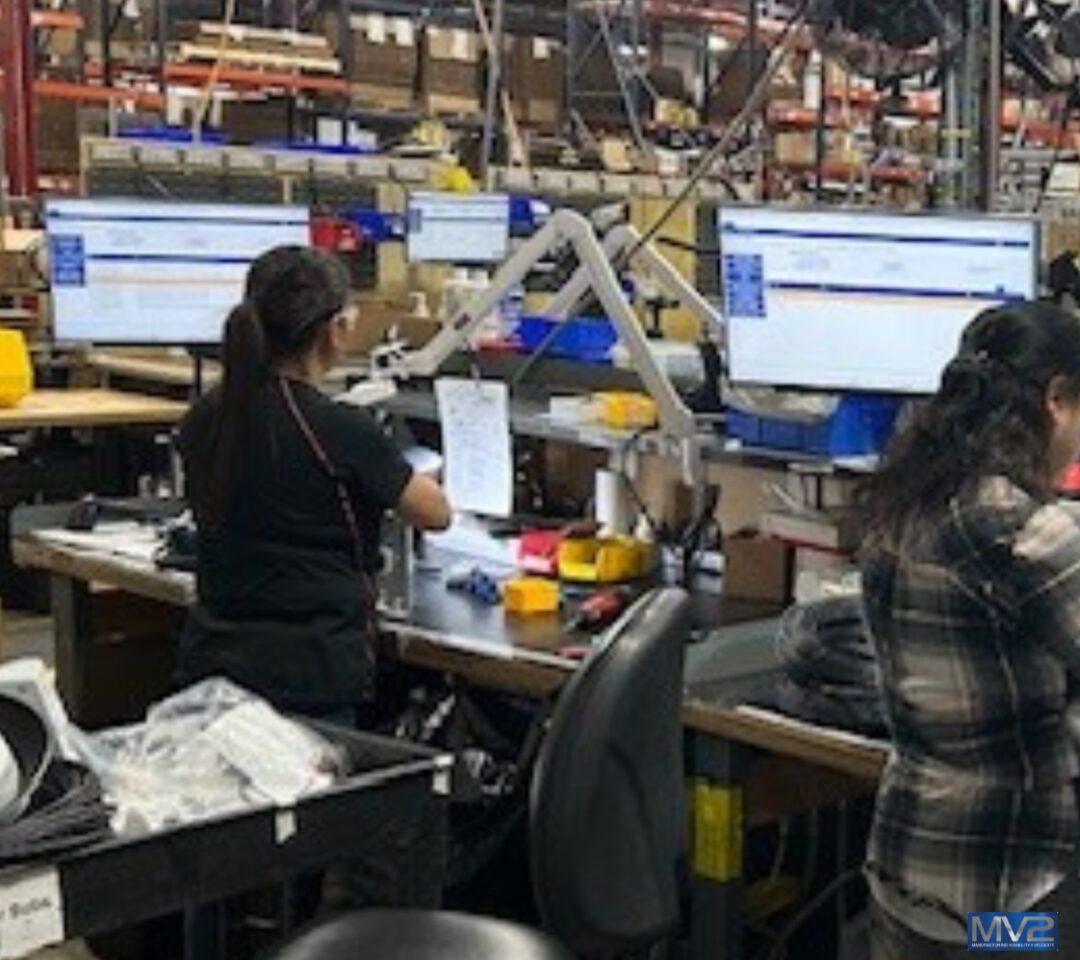

Do You Know What Inefficiency Is Costing You?
Put real numbers behind manual processes, lost time, and unused capacity.
You may already know where your shop floor struggles. The harder question is understanding what those problems are actually costing your business.
The Manufacturing Efficiency Assessment helps put numbers behind manual processes, lost labor hours, non-value-added work, and unused capacity—so you can identify where improvement could have the greatest impact.
Frequently Asked Questions About Shop Floor Improvement
Common questions about MES, manufacturing efficiency, ERP integration, machine connectivity, traceability, and shop floor data.
How can manufacturers improve shop floor efficiency?
Improving shop floor efficiency starts with understanding where time, labor, and capacity are being lost. Common opportunities include reducing manual data entry, improving production visibility, connecting machines and systems, strengthening traceability, and giving employees better access to real-time production information.
What are the signs that a shop floor needs an MES?
Common signs include paper-based processes, spreadsheets, duplicate data entry, limited production visibility, inaccurate inventory information, difficult traceability, disconnected machines, and delays in getting production information into the ERP.
An MES helps connect people, machines, materials, and production activity so manufacturers can manage what is happening on the shop floor in real time.
What is the difference between an ERP and an MES?
ERP systems manage business processes such as planning, purchasing, inventory, financials, and orders. An MES focuses on manufacturing execution—what is actually happening on the shop floor.
Connecting MES and ERP helps production information flow between the shop floor and the broader business without relying as heavily on manual entry.
How does machine integration improve manufacturing?
Machine integration captures production information directly from manufacturing equipment and connects it with jobs, operators, and other shop floor data.
This can improve visibility into machine activity, downtime, performance, and production while reducing the need for employees to manually collect information.
How can serialization and traceability improve manufacturing operations?
Serialization and traceability help manufacturers track products, materials, lots, serial numbers, quality information, and production history.
Capturing this information as production happens can make it easier to investigate quality issues, respond to customer questions, support compliance requirements, and understand exactly what happened during production.
How can AI be used with manufacturing shop floor data?
AI can help manufacturers access and understand the large amount of information generated by production. When AI is connected to trusted manufacturing data, employees can more easily find information, ask questions, identify patterns, and uncover insights.
The value starts with having accurate, connected shop floor data that AI tools can work with.
How do you measure the cost of shop floor inefficiency?
Start by looking at the time and resources consumed by manual data entry, paperwork, production delays, downtime, searching for information, scrap, rework, inventory discrepancies, and other non-value-added activities.
Converting those activities into labor hours and financial impact can help manufacturers understand the cost of doing nothing and prioritize improvement opportunities.
Where should we start when improving our shop floor?
Start with the problem, not the software.
Identify where your team loses time, where information is delayed, where manual processes create extra work, and where limited visibility affects production. Once those challenges are understood and quantified, you can determine which process or technology improvements could deliver the most value.
The Manufacturing Efficiency Assessment is designed to help manufacturers establish that starting point.